
Solar Power as a Solution to Dumsor in Ghana: A Complete Guide.
If you live or work in Ghana, you know the sound: the hum that stops, the fans that slow, the house that goes dark. Dumsor is back. Or maybe it never truly left. Either way, the lights are off again, your food is warming in the fridge, and somewhere nearby a diesel generator is coughing to life.
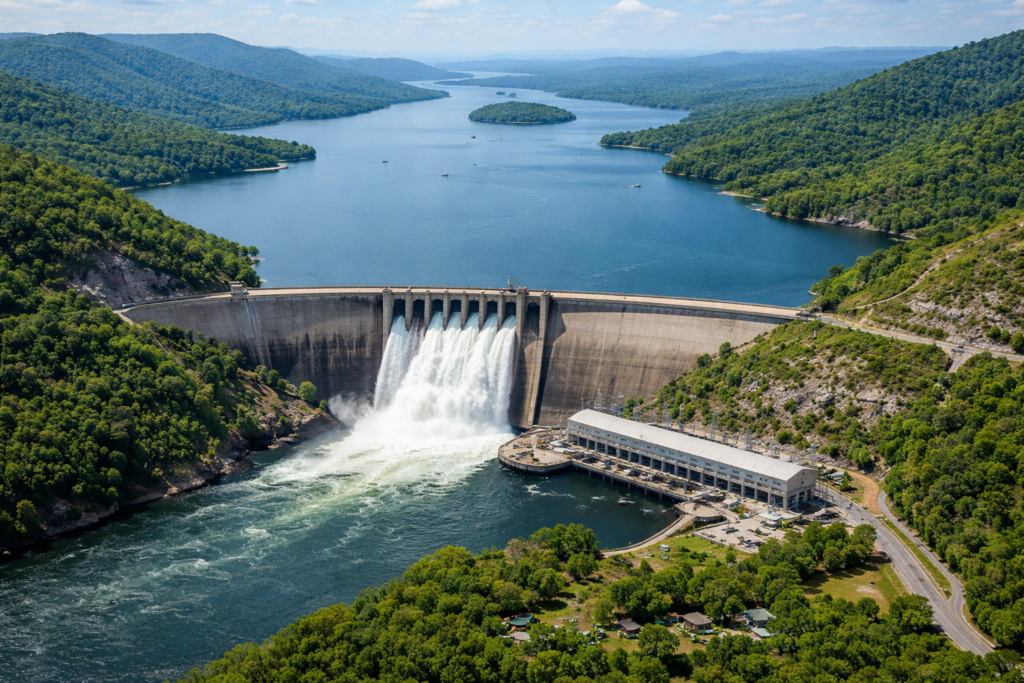
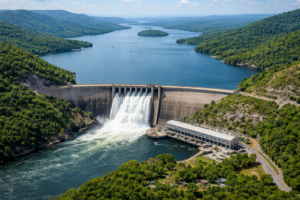
Ghanaians have been living with dumsor — the Twi words for off and on describing the country’s cycle of power cuts — for many years. The problem runs deep. The national grid depends heavily on hydropower from the Akosombo Dam, thermal plants powered by imported fuel, and a distribution network that loses a significant portion of electricity before it even reaches homes. When rainfall is low, when fuel is expensive, or when equipment fails, the lights go out.
But something has changed. Solar energy has become genuinely affordable, genuinely powerful, and genuinely practical for Ghanaian homes and businesses. The same sun that beats down on Accra, Tamale, and Kumasi every day — one of the most intense solar climates in the world — is now something you can capture, store, and use to power your own home, completely independently from the ECG grid.
This guide ‘solar power as a solution to dumsor in Ghana’ explains everything a Ghanaian buyer needs to know about solar power as a solution to dumsor: how it works, what it costs in Ghana in 2026, which system is right for which situation, what the government is doing to support it, and how to get started without making expensive mistakes.
Dumsor does not have to be your problem anymore. Ghana’s sunshine is one of the most powerful and consistent in the world. The only question is whether you are capturing it.
Table of Contents
1. What Is Dumsor and Why Has It Been So Hard to Fix? — The root causes explained simply
2. Why Solar Power Works So Well in Ghana — Ghana’s solar advantage
3. The 3 Types of Solar Systems for Ghana — Which one suits your situation
4. Key Components of a Solar System — What you are actually buying
5. Solar System Sizes and Costs in Ghana (2026) — Real price ranges in cedis
6. Government Support and Policies — What the government offers
7. How to Choose and Install Your Solar System — Step-by-step buying guide
8. Common Mistakes to Avoid — Expensive errors and how to dodge them
9. Real-World Impact: Who Is Going Solar in Ghana? — Stories from homes and businesses
10. Frequently Asked Questions — Targeting Google’s People Also Ask
11. References — Sources and further reading
What Is Dumsor and Why Has It Been So Hard to Fix?
Dumsor is not a new word or a new problem. The term — a blend of dum (off) and sor (on) in Twi — entered everyday Ghanaian language because power cuts were so frequent and so unpredictable that they needed their own name. What was once occasional disruption became a defining feature of daily life for many Ghanaians across Accra, Kumasi, Takoradi, and beyond.
To understand why solar is such a compelling solution, it helps to first understand why dumsor keeps coming back.
Read: Best Solar Systems for Load Shedding South Africa
The Root Causes of Ghana’s Power Problem
Over-dependence on hydropower. Ghana’s Akosombo Dam has historically supplied a large share of national electricity. But the dam depends on rainfall, and Ghana’s rainfall has become less predictable with climate change. In drought years, water levels fall, and the dam produces far less power than the country needs.
Expensive and unreliable thermal generation. To fill the gap left by hydro shortfalls, Ghana relies heavily on thermal power plants that run on natural gas and crude oil. These fuels must often be imported, making electricity generation expensive and vulnerable to fuel supply disruptions and global price swings.
Transmission and distribution losses. A significant amount of electricity is lost between the power plant and the consumer — through old transmission lines, illegal connections, unpaid bills, and technical inefficiencies. This means Ghana has to generate more electricity than people actually consume just to meet demand.
Growing demand. Ghana’s economy has grown significantly over the past two decades, and with that growth comes rising electricity demand. New homes, factories, businesses, and appliances all require power. Infrastructure investment has not kept pace.
Debt and financing problems. The Electricity Company of Ghana (ECG) and power producers have faced serious financial challenges, including debt owed to independent power producers and difficulties funding infrastructure upgrades.
The result of all these overlapping problems is a grid that struggles to meet demand consistently. Even when dumsor is officially over, scheduled maintenance outages, distribution faults, and voltage fluctuations continue to disrupt Ghanaians in many areas.
The economic damage is real and severe. Power outages are estimated to cost the Ghanaian economy billions of cedis each year through lost productivity in factories, spoiled goods in cold storage, disrupted service businesses, and the cost of running diesel generators. Hospitals cannot properly store medicines. Schools cannot use computers. Small businesses lose customers who go elsewhere. The burden falls hardest on those who can least afford it.
Dumsor is not just an inconvenience. For a hospital without power or a business that cannot operate, it is an emergency. Solar power changes that equation entirely.
Why Solar Power Works So Well in Ghana
Ghana is exceptionally well positioned for solar energy. The country lies between 5 and 11 degrees north of the equator, placing it squarely in what solar engineers call the solar belt — the band around the Earth where sunlight is most intense and most consistent throughout the year.
Ghana’s Solar Resource
Most parts of Ghana receive between 4.5 and 6 kilowatt-hours of solar energy per square metre every day. The northern regions — Tamale, Bolgatanga, and the Upper East and Upper West regions — receive the highest levels, while Accra and the south receive slightly less but still benefit from strong, consistent sunshine year-round.
To put that in practical terms: a well-installed solar panel system in Accra will generate significantly more electricity per year than the same system installed in Germany or the United Kingdom, two countries where rooftop solar is already widespread and economically mainstream. Ghana’s sun is a genuine competitive advantage for solar power adoption.
Why Solar Beats Diesel Generators for Dumsor
No fuel cost. A diesel generator needs fuel every day it runs. Solar panels need only sunlight, which Ghana has in abundance and which costs nothing. Once installed, your fuel bill drops to zero.
No noise. Generators are loud. Neighbours notice. Running one all night is not practical in a residential area. Solar with battery storage is completely silent.
No fumes. Generator exhaust is toxic and unpleasant. Solar systems produce no emissions during operation.
No moving parts to break. Generators require regular oil changes, spark plug replacements, starter cord repairs, and engine servicing. Solar panels have no moving parts and require almost no maintenance beyond occasional cleaning.
Automatic and instant. When ECG cuts power, a hybrid solar system switches to battery power in less than 20 milliseconds — too fast for any appliance to notice. A generator takes 30 seconds to a minute to start, and someone has to pull the cord.
Long-term savings. A generator’s running costs — fuel, oil, repairs — add up to large sums over a year. A solar system’s running costs are minimal. Most Ghanaian solar owners report recovering their initial investment within five to eight years and then enjoying near-free electricity for the remaining fifteen or more years of the system’s life.
Good to know: A family in Accra spending GH₵ 800 to GH₵ 1,500 per month on ECG bills plus diesel generator fuel could eliminate most of that cost with a properly sized solar system. Over ten years, the savings comfortably exceed the installation cost.
The 3 Types of Solar Systems for Ghana
Not all solar systems work the same way, and the right type depends on where you live, how serious your dumsor problem is, and what your budget looks like. Here are the three main options available to Ghanaian buyers.
Type 1 — Hybrid Solar System (Most Popular for Urban Ghana)
A hybrid solar system connects your home to three power sources at once: your solar panels, a battery bank, and the ECG grid. During the day, your panels power your home and charge your batteries. At night or during dumsor, the batteries take over. If both the batteries and the panels are insufficient — on a very cloudy day after a long outage — the system draws from ECG as a last resort.
This is the most popular solar system for homes and businesses in Accra, Kumasi, and other urban areas for one simple reason: it gives you the best of everything. You generate your own free solar power, you have battery backup for dumsor, and you still have the grid as a safety net when you need it. The transition between power sources is completely automatic and happens in milliseconds.
Best for: urban homeowners and businesses in areas with irregular but not completely absent ECG supply
Key advantage: seamless power during dumsor plus long-term ECG bill reduction
Key consideration: requires both an inverter and a battery bank, making it more expensive upfront than a grid-tied system
Type 2 — Off-Grid Solar System (Best for Full Independence)
An off-grid system has no connection to the ECG grid at all. It runs entirely on solar panels and battery storage. There is no electricity bill from ECG, no vulnerability to dumsor, and no dependence on the national grid in any form. When the sun shines, you generate power. When it does not, you draw from your batteries.
Off-grid systems require larger battery banks to cover multiple days of cloudy weather and are more expensive to set up than hybrid systems of equivalent size. But for remote communities, farms, or areas where ECG connection is unreliable or the connection costs are prohibitively high, an off-grid system is the most practical long-term solution.
Best for: rural and remote locations, farms, properties where ECG connection is unavailable or unreliable, and anyone seeking complete energy independence
Key advantage: zero reliance on the national grid, zero electricity bills
Key consideration: requires larger battery capacity and careful system sizing to avoid running out of power on cloudy days
Type 3 — Grid-Tied System Without Batteries (Cheapest Option)
A grid-tied solar system connects your panels directly to the ECG grid without any battery storage. During the day, your panels reduce your ECG bill by generating electricity that you use directly. If you generate more than you need, Ghana’s net metering policy allows you to send surplus power back to the grid for credits.
The critical limitation: a grid-tied system produces zero power during dumsor. By law and design, grid-tied inverters shut off completely when the ECG supply is cut, because allowing electricity to flow into a dead grid creates a safety hazard for ECG workers. If your main goal is to survive dumsor, a grid-tied system without batteries will not help you.
Best for: businesses or homes with very stable ECG supply who mainly want to reduce their electricity bill, not protect against outages
Key advantage: cheapest upfront cost, still reduces ECG bills significantly during daytime
Key consideration: provides zero backup during dumsor
Watch out: If a solar installer recommends a grid-tied system without batteries for your home in an area affected by dumsor, make sure you understand that it will not power your home during outages. This is the most common source of disappointment among new solar buyers in Ghana.
Key Components of a Solar System
Whether you choose a hybrid, off-grid, or grid-tied system, every solar installation is built from the same core components. Understanding what each part does helps you ask better questions, compare quotes, and avoid being overcharged or undersold.
Solar Panels — Your Power Factory
Solar panels convert sunlight into electricity using the photovoltaic effect — when light hits the silicon cells inside a panel, it knocks electrons loose, creating a flow of electricity. In Ghana’s climate, monocrystalline panels are the best choice: they are the most efficient, perform better in high heat, and degrade more slowly than cheaper polycrystalline panels.
Panel brands matter. Look for Tier 1 manufacturers — companies like JinKo Solar, Trina Solar, LONGi, and Canadian Solar — that have long track records, clear warranties (usually 25 years on power output), and established supply chains in West Africa. Avoid unbranded panels with no documentation, even if they appear cheaper.
The Inverter — The Brain of the System
The inverter converts the DC (direct current) electricity your panels produce into AC (alternating current) electricity that your appliances use. For a hybrid system, the inverter also manages the flow of power between your panels, your batteries, and the grid — automatically deciding which source to use at any moment. For off-grid systems, the inverter manages panels and batteries only.
Reputable inverter brands available in Ghana include Victron Energy, Sunsynk, Deye, Growatt, and Schneider Electric. These brands have local distributors and technical support, which matters enormously when you need a warranty claim or a repair.
The Battery — Your Power Reserve
Batteries store the electricity your panels generate during the day so you can use it at night or during dumsor. Battery choice is the most important decision in system design for dumsor protection — too small and your batteries run flat before ECG returns; too large and you overspend on capacity you do not need.
In 2026, lithium iron phosphate (LiFePO4) batteries are the clear best choice for Ghana. They tolerate heat better than other lithium chemistries, last 10 to 15 years, handle thousands of charge cycles, and are significantly safer than older lead-acid batteries. Lead-acid batteries cost less upfront but last only 3 to 5 years in Ghana’s climate, making them more expensive over time.
The Charge Controller — Protecting Your Battery
The charge controller sits between your solar panels and your batteries, regulating the flow of electricity to prevent overcharging. Modern MPPT (Maximum Power Point Tracking) charge controllers are significantly more efficient than older PWM controllers and are standard in quality installations. In many hybrid inverters, the charge controller is built in.
Good to know: Always ask your installer for the brand and model of every component, not just the panel size and price. The inverter and battery brands are equally important — and easier to cut corners on without you noticing.
Solar System Sizes and Costs in Ghana (2026)
Solar system prices in Ghana have fallen significantly in recent years as global panel prices dropped and competition among local installers increased. The figures below represent estimated total installed costs — including panels, inverter, batteries, mounting hardware, cabling, and labour. Prices vary by location, component brands, and installer.
Basic Starter System (1 kW to 2 kW)
Estimated cost: GH₵ 25,000 to GH₵ 50,000
What it powers: LED lights, Wi-Fi router, phone and laptop charging, small fan, small TV
Best for: Renters, small apartments, home offices needing protection from short dumsor episodes (2 to 4 hours)
Small Home System (3 kW to 5 kW)
Estimated cost: GH₵ 60,000 to GH₵ 110,000
What it powers: Lights, fans, TV, fridge (small to medium), laptop, Wi-Fi, phone charging
Best for: 2 to 3 bedroom homes in Accra, Kumasi, or Takoradi experiencing regular dumsor
Standard Home System (5 kW to 8 kW) — Most Popular
Estimated cost: GH₵ 100,000 to GH₵ 180,000
What it powers: All the above plus a full-size fridge, washing machine (during solar hours), air conditioning unit (small), and multiple rooms
Best for: 3 to 4 bedroom homes, small businesses, professional offices seeking near-complete dumsor independence
Large Home or Business System (10 kW to 15 kW)
Estimated cost: GH₵ 180,000 to GH₵ 350,000+
What it powers: Full household or business load including air conditioning, large appliances, production equipment, cold storage
Best for: Large homes, hotels, restaurants, clinics, schools, retail stores, and other commercial premises
What Affects the Price
Battery type. Lithium batteries cost more than lead-acid but last two to three times longer and perform better in Ghana’s heat. Always choose lithium for a new installation.
Panel brand and efficiency. Tier 1 panels from established manufacturers cost more than unbranded panels but come with reliable 25-year warranties and better long-term performance.
Inverter quality. Reputable inverter brands with local service support cost more but are significantly more reliable. Cheap inverters are the most common reason systems fail within the first three years.
Installer experience. Energy Commission-certified installers charge more than informal workers, but proper installation ensures safety, system performance, and warranty validity.
Location. Installation in Accra is generally less expensive than in more remote areas due to logistics costs.
Financing and Payment Options
Bank solar loans — Several Ghanaian banks including Stanbic, Cal Bank, and others offer solar energy loans with multi-year repayment terms. Monthly loan payments are often lower than combined ECG and diesel generator costs.
Pay-As-You-Go (PAYG) — Some solar companies offer PAYG models where you pay a small deposit and then make regular payments, with full ownership transferred after a set period. These are especially common for smaller systems.
Government subsidy programmes — Ghana’s National Rooftop Solar Programme offers subsidies on panel costs for qualifying installations. Check current availability with the Energy Commission.
Outright purchase — The most cost-effective option long-term, as you avoid interest payments and own the system fully from day one.
Government Support and Policies
Ghana’s government has recognised for years that renewable energy — particularly solar — is essential to fixing the country’s power supply problems and meeting growing electricity demand without proportionally increasing greenhouse gas emissions. Several programmes and policies support solar adoption.
National Rooftop Solar PV Programme
This government programme provides capital subsidies to help homeowners and businesses install rooftop solar panels. It is designed to make solar more affordable by reducing the upfront cost burden. Availability and subsidy amounts have varied over time — check with the Energy Commission of Ghana for current programme status and eligibility requirements.
Net Metering
Ghana’s net metering policy allows solar system owners connected to the ECG grid to sell surplus electricity back to the grid in exchange for credits on their electricity bill. When your panels produce more electricity than your home is using — typically on sunny afternoons — the excess flows into the grid and ECG tracks it. You can then draw on those credits at night or on cloudy days.
Net metering makes hybrid and grid-tied solar systems significantly more attractive economically. However, the ECG metering infrastructure and application process can be inconsistent in some areas. Ask your installer about the current net metering process in your net metering process in your specific location before factoring credits into your financial calculation.
Renewable Energy Master Plan and Energy Transition Framework
Ghana’s Renewable Energy Master Plan sets a target of 10 percent of electricity from renewable sources (excluding large hydropower) by 2030, with significantly higher ambitions by 2060. The plan includes expanding mini-grid systems for rural communities, utility-scale solar farms, and rooftop solar programmes for government buildings and schools.
Ghana’s total installed solar capacity was approximately 300 megawatts in early 2026, with government projections targeting over 1,400 megawatts by 2031. New utility-scale solar projects are in development, and private investment in distributed solar — rooftop and small commercial — is growing rapidly.
Tax and Import Incentives
Ghana has removed import duties and value-added tax on certain solar equipment categories, reducing the cost of panels, inverters, and batteries imported through official channels. These incentives do not always apply uniformly, and informal-channel imports may not benefit from them. Buying from registered solar companies that import officially ensures you benefit from applicable duty exemptions.
Good to know: Ghana’s Energy Commission maintains a registry of licensed solar installers. Hiring a licensed installer protects you legally, ensures proper installation, and is often required to qualify for government subsidy programmes or bank financing.
How to Choose and Install Your Solar System
Buying a solar system is a significant financial decision. These steps will help you get it right the first time.
Step 1: Calculate your energy needs. Walk through your home or business and list every device you want to power during dumsor. Write down each device’s wattage (printed on the device or in the manual) and the number of hours per day you typically use it. Multiply wattage by hours to get watt-hours per day for each device. Add them all up. This total is your daily energy requirement.
Step 2: Decide on your system type. If you are in an urban area with some ECG supply and want to eliminate dumsor’s impact while reducing your bill, choose a hybrid system. If you are in a rural area or want complete independence, choose an off-grid system. If you mainly want to reduce your bill and your area rarely experiences dumsor, a grid-tied system may suffice — but confirm this honestly before committing.
Step 3: Size your battery correctly. This is the most important sizing decision. Use the worst-case dumsor duration in your area — not the best case. If your area experiences 8-hour cuts, size your battery to cover 8 hours of your essential load with a 20 percent safety buffer. A battery that runs flat during a long outage is useless in that outage.
Step 4: Get at least three detailed quotes. Ask each installer to itemise the cost of every component separately: panels (brand, wattage, number), inverter (brand, capacity), batteries (brand, chemistry, kWh), mounting, cabling, and labour. Never accept a single line-item quote. Comparing component brands and specifications across quotes reveals a great deal about where corners are being cut.
Step 5: Verify the installer’s credentials. Ask for the installer’s Energy Commission of Ghana registration number. Verify it on the Energy Commission’s website or by calling their office. A registered installer is accountable, trained, and required to meet safety standards.
Step 6: Understand your warranty terms. Quality solar panels carry 25-year output warranties. Inverters from reputable brands carry 5 to 10-year warranties. Lithium batteries carry 10-year or cycle-count warranties. Get all warranty terms in writing from both the installer and the component manufacturers.
Step 7: Plan for maintenance from day one. Decide how you will keep panels clean — particularly important in northern Ghana where harmattan dust accumulates heavily. Ask your installer about annual service visits. Confirm that spare parts for your inverter brand are available locally.
Common Mistakes to Avoid
Buying a Grid-Tied System When You Need Dumsor Protection
This is the most expensive and frustrating mistake in the Ghanaian solar market. A grid-tied system without batteries goes completely dark during load shedding. Many buyers only discover this after installation. Be explicit with your installer: if ECG supply is interrupted frequently in your area, you need a hybrid or off-grid system with battery storage.
Choosing Lead-Acid Batteries to Save Money
Lead-acid batteries cost less than lithium batteries upfront. But in Ghana’s climate — high heat, frequent cycling during regular dumsor — lead-acid batteries typically last 2 to 4 years before needing replacement. Lithium batteries last 10 to 15 years. When you calculate total cost over 10 years including replacement costs, lead-acid is almost always more expensive. Invest in lithium from the start.
Undersizing the Battery for Your Actual Dumsor Duration
Many buyers size their battery for Stage 2 or 3 outages when their area regularly experiences 8 to 12 hour cuts. When the longer outage hits, the battery runs flat and the system becomes useless at the worst possible moment. Always size for the longest outage duration your area realistically experiences.
Hiring an Uncertified Installer to Save Money
Uncertified installers may charge less, but improperly installed solar systems are genuine fire and safety hazards. Poor wiring connections cause overheating. Incorrectly configured inverters overcharge and damage batteries. Improperly mounted panels can fall. Beyond safety, an uncertified installation may not qualify for government subsidies, bank financing, or valid component warranties. The short-term saving almost always becomes a long-term cost.
Not Planning for Dust and Heat
Ghana’s climate is hard on solar equipment. Harmattan season in the north covers panels in thick dust. Urban soot and pollution reduce panel output in Accra. High temperatures stress batteries and inverters. Plan for monthly panel cleaning, inverter placement in a shaded and ventilated space, and battery storage away from direct sunlight. Systems that are not maintained for climate conditions underperform and wear out faster.
Ignoring the Possibility of Future Expansion
Your energy needs will grow. You may add appliances, expand your home or business, or want to run an air conditioner that you currently cannot. Buy an inverter that can be expanded with additional battery banks. Choose panels that can be added to the same array later. Designing for future growth from the beginning costs very little extra upfront but saves significantly on expensive system overhauls later.
Real-World Impact: Who Is Going Solar in Ghana?
Across Ghana, solar adoption is no longer limited to wealthy households or international companies. It is spreading rapidly through homes, businesses, institutions, and rural communities — driven by the combination of falling prices, persistent dumsor, and rising ECG tariffs.
Urban Homes in Accra and Kumasi
Middle-class families in Accra and Kumasi are increasingly choosing hybrid solar systems with battery backup as their primary dumsor solution. The calculation that drives this decision is usually the same: the combined monthly cost of ECG bills and diesel generator fuel often exceeds GH₵ 1,000 to GH₵ 2,500 or more for a mid-size household. A properly sized solar system eliminates most of that recurring cost while providing more reliable power than either the grid or a generator alone.
For many families, the ability to run a refrigerator continuously during dumsor — keeping food safe and avoiding the weekly spoilage losses that many Ghanaian households quietly absorb — is cited as one of the most immediately felt benefits of going solar.
Small and Medium Businesses
Restaurants, salons, tailoring shops, pharmacies, and small retail businesses are some of the most motivated solar adopters in Ghana. For these businesses, every hour of dumsor is directly lost revenue. A restaurant that cannot cook, a pharmacy that cannot keep medicines cold, or a salon that cannot operate its equipment simply cannot serve customers during an outage. Solar systems restore their ability to operate normally through every dumsor episode, making the investment recovery period very short for businesses with high electricity dependency.
Schools and Health Facilities
Solar installations at schools and clinics have demonstrated some of the clearest social impact of any renewable energy deployment in Ghana. Schools with reliable solar power can use computer laboratories, projectors, and communication equipment without interruption. Rural health clinics can reliably power refrigerators for vaccine storage, lighting for night-time deliveries, and medical equipment that requires stable power. Several government-supported and NGO-funded programmes have prioritised these institutions for solar installation precisely because the human impact is so direct.
Telecom and Industrial Companies
Companies like MTN, Vodafone, and various industrial operators have installed significant solar capacity at their facilities and base stations across Ghana. Their motivation is straightforward: for a telecom operator, a base station that goes dark during dumsor means lost revenue and customer complaints across the entire coverage area. Solar with battery backup eliminates that vulnerability. These large commercial installations have also helped build the technical expertise and supply chain for smaller residential systems.
Rural Communities Through Mini-Grids
In areas beyond the reach of the national grid, solar mini-grids — small, community-scale solar power systems — are bringing electricity to villages that have never had it before. These systems serve entire communities from a central solar array, providing power for homes, schools, health posts, and small businesses. Several programmes supported by Ghana’s government and international development partners are actively expanding mini-grid coverage in the north and other rural regions.
Frequently Asked Questions
These questions reflect what Ghanaians are actually searching for when researching solar power as a solution to dumsor.
How much does a solar system cost in Ghana in 2026?
A basic starter solar system for lighting, fans, and phone charging costs approximately GH₵ 25,000 to GH₵ 50,000 installed. A standard 5 kW hybrid system suitable for a 3 to 4 bedroom home in Accra costs GH₵ 100,000 to GH₵ 180,000 installed. Larger systems for businesses or bigger homes run from GH₵ 180,000 upward. Prices vary by component brands, location, and installer — always get multiple quotes and ask for itemised breakdowns.
Can solar power work during dumsor?
Yes — but only if your system includes battery storage. A hybrid or off-grid solar system with batteries continues to power your home during dumsor automatically. The switch happens in milliseconds and most appliances do not notice the transition. A grid-tied solar system without batteries does not work during dumsor and produces zero power when ECG supply is cut.
What is the best solar system for dumsor in Ghana?
For most urban Ghanaian homes, a hybrid solar system with lithium iron phosphate (LiFePO4) batteries is the best solution. It provides automatic backup during dumsor, reduces your ECG bill by running on solar power during the day, and keeps the ECG grid as a backup for extended cloudy periods. The 5 kW system size with a 10 kWh battery is the most popular choice for 3 to 4 bedroom homes.
How long does a solar system last in Ghana?
Quality solar panels from Tier 1 manufacturers are warranted for 25 years and typically last 30 or more years before needing replacement. Lithium iron phosphate batteries last 10 to 15 years in Ghana’s climate. Inverters from reputable brands typically last 10 to 15 years. Overall, a well-installed, well-maintained solar system is a 20 to 25 year investment before any major component replacement is needed.
How does net metering work in Ghana?
Net metering allows solar system owners connected to the ECG grid to export surplus solar electricity into the grid and receive credits on their ECG bill. When your panels produce more than your home uses — typically on sunny afternoons — the surplus flows to ECG and is tracked. You draw against those credits at night or during low-production periods. Applications for net metering go through ECG. The process and accessibility vary by area — confirm with your installer before relying on net metering in your financial planning.
What solar panels are best for Ghana’s climate?
Monocrystalline silicon panels from Tier 1 manufacturers — including JinKo Solar, LONGi, Trina Solar, and Canadian Solar — are the best choice for Ghana. They have higher efficiency than polycrystalline panels, perform better in high temperatures, and degrade more slowly over their 25-year lifespan. Avoid unbranded panels with no documentation or warranty support, regardless of their price.
Does dumsor affect solar panels?
Dumsor — ECG grid outages — does not directly damage solar panels or reduce their output. Panels generate electricity from sunlight independently of the grid. What dumsor affects is battery cycling: frequent long outages mean your batteries charge and discharge more deeply and more often, which can shorten battery life if batteries are undersized or of poor quality. Properly sized, quality lithium batteries handle Ghana’s dumsor cycling well.
Is there government help to buy solar in Ghana?
Yes. Ghana’s National Rooftop Solar PV Programme offers capital subsidies for qualifying residential and commercial installations. Several Ghanaian banks offer dedicated solar energy loans. Import duty reductions apply to official-channel solar equipment imports. The Energy Commission of Ghana manages programme eligibility and can provide current information on available support. Availability and terms change — verify directly with the Energy Commission or a licensed installer for the most current options.
How do I choose a reliable solar installer in Ghana?
Check that the installer is registered with the Energy Commission of Ghana — this is the minimum standard. Ask for their registration number and verify it. Request references from previous customers and, if possible, visit an installation they have completed. Ask for a fully itemised quote listing every component brand and model. Confirm warranty terms in writing. Be cautious of installers who pressure for immediate decisions, offer prices significantly below other quotes, or cannot provide documentation for their credentials.
Can a solar system run an air conditioner in Ghana?
Yes, but with important caveats. Air conditioners are high-load appliances. A small 1.5 HP split AC unit draws approximately 1,200 to 1,500 watts. Running it on battery alone drains a 5 kWh battery in 3 to 4 hours. The most practical approach is to run air conditioning primarily during solar production hours — daytime when panels are generating power — rather than on battery at night. A larger system (8 kW or more) with a substantial battery bank (15 kWh or more) can support overnight air conditioning use, but this significantly increases system cost.
References and Further Reading
The information in this guide draws on the following authoritative sources. All are publicly accessible for readers who want to explore further.
1] Energy Commission of Ghana — Renewable Energy Master Plan. energycom.gov.gh. The Energy Commission is the primary regulatory body for Ghana’s energy sector and the authoritative source for solar licensing, programme eligibility, and national renewable energy targets.
[2] Electricity Company of Ghana (ECG) — Net Metering Programme. ecgonline.info. ECG administers the net metering programme for grid-connected solar system owners in southern Ghana. Their website provides application procedures and current tariff structures.
[3] International Renewable Energy Agency (IRENA) — Renewable Power Generation Costs 2024. irena.org. IRENA’s annual cost report provides the most comprehensive global data on solar, wind, and other renewable electricity costs, used to contextualise Ghana’s solar economics.
[4] Africa Renewable Energy Initiative (AREI) — Ghana Country Profile. arei-irae.org. AREI tracks renewable energy capacity and project development across African countries, including Ghana’s installed solar capacity and pipeline.
[5] Scaling Up Renewable Energy Programme (SREP) — Ghana Investment Plan. climateinvestmentfunds.org. SREP’s Ghana investment plan documents provide detail on mini-grid development, rooftop solar programmes, and rural electrification through solar across Ghana.
[6] Ghana Statistical Service — National Household Energy Survey. statsghana.gov.gh. GSS household energy data provides context on electricity access, energy poverty, and the scale of dumsor’s economic impact on Ghanaian households.
[7] JoyOnline — Ghana Energy News Coverage. myjoyonline.com. JoyOnline’s energy reporting, including ECG statements and independent expert commentary, provides current context on dumsor status and power sector developments.
[8] International Energy Agency (IEA) — Africa Energy Outlook 2023. iea.org. The IEA’s Africa-focused analysis provides data on electricity access, generation capacity, and renewable energy potential relevant to Ghana’s energy context.
[9] World Bank — Ghana Energy Sector Report 2024. worldbank.org. The World Bank’s energy sector assessments document Ghana’s electricity infrastructure, investment needs, and the economic cost of power outages.
[10] Our World in Data — Energy Access and Renewable Energy. ourworldindata.org/energy. Provides accessible charts and analysis of electricity access, renewable energy capacity, and energy transition data for Ghana and the broader African continent.
Disclaimer: Solar system prices, government programme availability, ECG tariffs, and net metering terms in Ghana change regularly. All figures in this guide reflect information available as of January 2026. Verify current costs and programme eligibility with licensed installers and the Energy Commission of Ghana before making purchasing decisions.
Final Thoughts
Dumsor has cost Ghana enormously — in lost productivity, in food spoiled, in businesses that could not open, in students who could not study, in patients who could not be treated. It is a problem rooted in infrastructure and finance that will take years to fully resolve at the national level.
But here is what has changed: you no longer have to wait for a national solution. Solar power as a solution to dumsor is available right now, across Ghana, at prices that have dropped dramatically and with financing options that make it accessible to far more households than just a few years ago. The technology is proven. The sunshine is guaranteed. The only remaining question is whether you act on it.
A hybrid solar system with a properly sized lithium battery bank will not just survive dumsor — it will make you functionally independent from the grid for your essential needs. Your fridge will stay cold. Your children will study. Your business will keep running. Your neighbours’ generator will keep going, and yours will be silent, because you will not need it.
Ghana’s dumsor problem is not solved yet. But your dumsor problem can be.
The sun rises over Ghana every morning without fail. Whether it powers your home is now entirely up to you.
Related reading:
How Renewable Energy Works for Beginners
Best Solar Systems for Load Shedding (South Africa) |
Solar Panel Maintenance Tips for Africa